
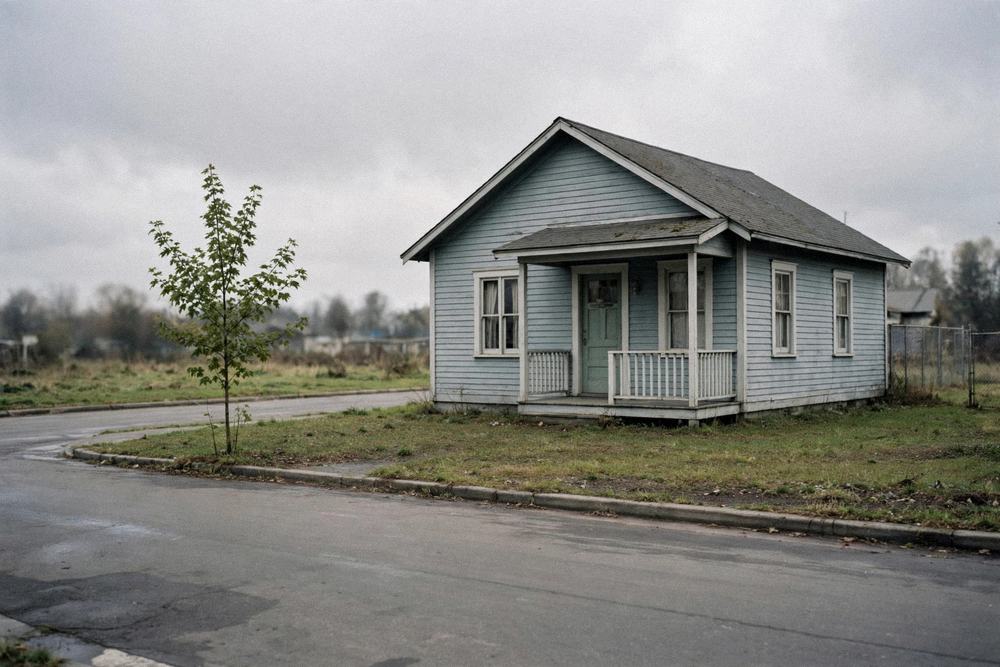
Nampa has two housing stocks side by side: older homes near Downtown and around Lake Lowell, and new subdivisions along Ustick Road and Ten Mile Road. The age of your house decides a lot about your water heater: what pipes feed it, and whether a new heater alone will fix your hot water.
How Old Are Nampa Homes, Really
The median Nampa home was built in 2000, and about 26 percent of Nampa homes were built before 1980. That puts Nampa in the middle: not an old city, not a new one. About 70 percent of Nampa homes are owner occupied, and the population sits at 120,384, based on the Census July 2025 estimate, up from 100,200 in the 2020 census. The city grew fast, and that growth built two very different housing stocks.
Downtown Nampa and the streets around it hold the older homes. These are the houses built from the 1940s through the 1970s, with original plumbing that has now served for 50 years or more. The areas around Lake Lowell and Deer Flat hold a mix of older farmhouses and newer builds. Out along Ustick Road, Ten Mile Road, and the new subdivisions, the homes are only a few years old, with modern PEX or copper pipe and builder grade heaters that are already reaching their first replacement.
That split is what makes the old homes Nampa water heater question worth asking. A new heater in a new subdivision is a simple swap. A new heater in a 1960s Downtown home is a different job, because the pipes, the venting, and the gas line may be as old as the house. Age does not condemn a home. It sets the odds, and knowing the odds saves you from paying for the wrong fix.
Old Pipes, Old Heaters: What Age Does to Hot Water
The pipe material in your walls matters as much as the heater itself. Homes built before the 1970s commonly have galvanized steel supply pipes. Galvanized pipe is steel pipe dipped in zinc to stop rust. Over decades the zinc wears away, the bare steel rusts from the inside out, and the pipe closes down from the inside. Trade guides put galvanized pipe life commonly at 40 to 50 years, though figures vary and no government source gives one number. A galvanized line installed with a home built in 1960 is at least 66 years old today.
Hot water lines fail first. Heat speeds up corrosion, so the hot lines in an old home rust years before the cold lines in the same house show the same damage. The inside of the pipe grows rough lumps of rust, a process plumbers call tuberculation, and those lumps narrow the pipe until the shower barely runs. If your cold water blasts fine but the hot side barely runs, the pipes are the first suspect, not the heater.
Other old materials bring their own problems. Polybutylene pipe, installed from the late 1970s into the mid 1990s, has a known history of fitting failures, and insurers treat it with caution. Cast iron drain pipe, common in homes built before the mid 1970s, corrodes from the inside and out. Copper and PEX, the materials in newer Nampa homes, do not rust the same way, and they are what a repipe uses today.
The heater ages with the house. A tank lasts 8 to 12 years, based on the US Department of Energy, so a 1960s home has had five or six tanks by now, unless the owners skipped replacements and ran old units until they leaked. Nampa hard water speeds the process up. Water runs from none to 7.08 grains per gallon of hardness, based on the City of Nampa 2024 Consumer Confidence Report, and scale builds fastest in old tanks that were never flushed.
The Diagnostic Trap: A New Heater Will Not Fix Old Pipes
The most expensive mistake in an older Nampa home is replacing a healthy water heater when the pipes are the real problem. A new tank will not fix rusty water if the galvanized lines feeding it are corroding. A new tankless unit will not fix low hot water pressure if the hot lines in the walls are choked with rust. The heater gets the blame, the money gets spent, and the water stays rusty.
Here is how to tell which one is at fault before you spend anything. Run the cold tap and the hot tap side by side. If the cold water is also rusty or brown, the problem is the piping or the supply, not the heater. If only the hot water is rusty, the problem is the heater or the anode rod inside it. If the cold water pressure is strong but the hot water pressure is weak, the hot lines are the suspect. If both are weak, the problem is further back in the supply.
Check the exposed pipe with a magnet. If a magnet sticks to the pipe, it is steel, which means galvanized. If it does not stick, it is likely copper or plastic. Look at the pipe near the water heater and under a sink. Galvanized steel is dull gray with threaded joints. Copper is reddish and smooth. PEX is flexible plastic tubing, usually red, blue, or white.
If the pipes are the problem, the permanent fix is a repipe, not a new heater. A repipe replaces the old steel with PEX or copper, and it is a major project. We do not quote repipe prices in this guide, because they vary too much by house. What we can tell you is the order of work: diagnose first, then decide. A plumber who looks at the pipes before quoting a heater saves you from buying a heater you did not need.
What to Check in an Older Nampa Home
If your home was built before 1980, run through this list before you replace a water heater. It takes an hour and it can save you a wrong purchase.
First, read the rating plate on the side of the tank. The first four digits of the serial number often give the month and year the unit was built. A tank lasts 8 to 12 years, and a tankless unit lasts 15 to 20 years, based on the US Department of Energy. A unit at or past that range is a near term replacement to budget for, especially if there is rust at the base, rumbling from sediment, or signs of past leaking.
Second, check the venting. A gas tank needs a vent that carries exhaust gas out of the house, going up with a steady slope, with no sag, gap, or rust hole. Bad venting can let carbon monoxide, a gas with no smell, back into the house. Older homes often have venting that met the code of its day but would not pass today.
Third, check the temperature and pressure relief valve and its discharge pipe. The relief valve opens at 150 psi or 210 degrees Fahrenheit, and it must have a discharge pipe that ends within 6 inches of the floor, with no valve, cap, or smaller pipe in the line. It must not drip. The valve needs a check every 6 months, based on US Department of Energy guidance.
Fourth, check the gas shutoff, the combustion air, and the expansion tank. A gas unit in a garage must sit 18 inches above the floor. A home with a tight, sealed utility closet may not have enough combustion air for a gas heater. An expansion tank protects the system when water heats and expands, and older homes often lack one.
Fifth, look at the water itself. Rusty water, popping noises from sediment, and lukewarm water that used to be hot are all signs the heater is near the end. Our no hot water in Nampa page covers the full list of causes, and our rusty water from your water heater page separates heater rust from pipe rust.
When the Whole Street Was Built the Same Year
Nampa subdivisions went up in phases, and whole streets were built in the same year with the same builder grade heaters. Those heaters age together, and they fail together. When one house on the street replaces a heater, the neighbours are usually not far behind.
A builder grade tank usually ships with a thin glass lining and a short 6 year warranty. It was chosen because it hit the lowest price that still passed inspection, not because it was the best unit for the house. In Nampa hard water, with no flush schedule, a builder grade tank often reaches the low end of the 8 to 12 year range. That is not a defect. It is what a cheap unit does in hard water.
If your street was built 10 years ago and your heater is original, plan for the replacement now instead of waiting for a leak. A tank replacement runs $600 to $3,100 installed, national, HomeGuide 2026. A tankless install runs $1,400 to $5,600 installed, national, HomeGuide 2026. A planned replacement lets you pick the right size and the right type. An emergency replacement in January, when Nampa sees 132 freezing nights a year and the cold season is at its worst, gives you whatever is on the truck that day.
Repair or Replace in an Old Home
The 50 percent rule is the guide: if the repair quote is more than half the cost of a replacement, and the heater is past half its expected life, replace it. A thermocouple at $100 to $325, national, HomeGuide 2026, on a 5 year old tank is a fair fix. A gas control valve at $150 to $550, national, HomeGuide 2026, on a 12 year old tank is money you will not get back. A repair averages $450, national, Fixr, updated August 29, 2025, with a range of $150 to $750.
In an old home, add one more question to the rule: will the new heater work with the old pipes? A new tankless unit needs good flow, and galvanized lines choked with rust will starve it. A new tank needs a vent that works, and a 1960s vent may not. If the pipes or the vent need work too, get the full picture in one written price before you decide. A permit, if one is needed, runs $50 to $200, national, HomeGuide 2026. We check with the City of Nampa before we start.
If the heater is young and the pipes are the problem, fix the pipes first. If the heater is old and the pipes are sound, replace the heater. If both are old, do the job in the right order: pipes first, then the heater, so the new unit does not inherit the old problems. Our water heater replacement in Nampa page walks through the replacement job step by step.
Downtown Nampa's Historic Homes
Downtown Nampa holds the oldest housing stock in the city, and it holds the most interesting water heater work. These homes have thick walls, small utility spaces, and plumbing that has been patched in stages over 60 years. A Downtown home may have copper near the heater, galvanized steel feeding the far bathroom, and a cast iron drain under the floor, all in the same house.
The water in Downtown is the same Nampa water as everywhere else, from none to 7.08 grains per gallon of hardness. The difference is the pipe. Old steel plus hard water plus 60 years is the hardest combination in the city for a water heater. A Downtown tank that gets flushed once a year and an anode rod check every 3 to 4 years can still reach the top of its 8 to 12 year range. A Downtown tank that never gets touched will not.
New subdivisions have the opposite problem. The pipes are new, but the heaters are builder grade, and they all age together. The first replacement wave hits a subdivision about 10 years after it was built. If your subdivision went up in the mid 2010s, that wave is here now. Our new home water heater in Nampa guide covers what to check in a new build, and our Nampa growth and new subdivisions guide covers the new areas street by street.
Frequently Asked Questions
How old is the average home in Nampa?
The median Nampa home was built in 2000, and about 26 percent of Nampa homes were built before 1980. Downtown Nampa and the areas around Lake Lowell hold the older homes, while the new subdivisions along Ustick Road and Ten Mile Road hold the newest ones. The population is 120,384, based on the Census July 2025 estimate.
Will a new water heater fix rusty water in an old home?
Only if the heater is the source of the rust. If the cold water is also rusty, the problem is the galvanized pipes, and a new heater will not fix it. If only the hot water is rusty, the problem is the heater or the anode rod inside it. Check both taps before you spend money on a new unit.
How long do galvanized pipes last?
Trade guides put galvanized steel pipe life commonly at 40 to 50 years, though figures vary and no government source gives one number. Hot water lines corrode faster than cold lines, because heat speeds up rust. A galvanized line installed with a home built in 1960 is at least 66 years old today, which is past any figure anyone quotes.
Should I replace my water heater before it leaks in an old home?
If the unit is past 10 years old and your street was built in the same phase, planning the replacement now is smart. A planned tank replacement runs $600 to $3,100 installed, national, HomeGuide 2026. An emergency replacement in January costs the same money with none of the choice. If the unit is young and the pipes are the problem, fix the pipes first.
Call Nampa HeatPros to Check Your Old Home's Heater
Tell us the year your home was built and what your water looks like in the morning. We will read the rating plate, check the pipes, the venting, and the relief valve, and tell you plainly whether the heater or the pipes are the problem. If the heater is done, we give you a written price before we start. Water heaters are all we do, and we do them in Nampa.
Our Service Area
We serve Nampa and the towns around it. Pick your area to see water heater repair there.